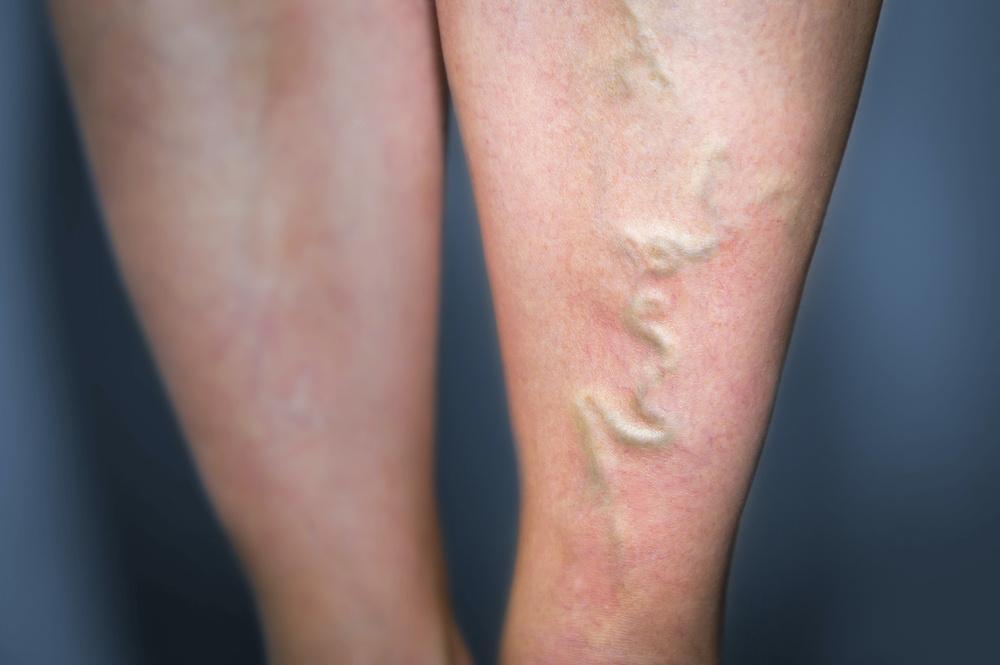
More than 30 million people in the US have varicose veins, and those enlarged, twisted veins pose more than a cosmetic concern. They can cause aching, heaviness, swelling, itching, and discomfort, all of which interfere with your daily life.
Fortunately, modern varicose vein treatments can close problematic veins without traditional surgery. Advanced Heart & Vascular Associates provides tailored varicose vein treatment using minimally invasive procedures, including VenaSeal® and ClosureFast®.
Both are designed to close diseased veins so blood can be redirected through healthier veins. Our vascular specialist, Nader Chadda, MD, FACC, FSCAI, evaluates problem veins to determine which treatment is appropriate for you.
What is VenaSeal?
VenaSeal uses a specially formulated medical adhesive to close unhealthy veins. During the procedure, Dr. Chadda uses ultrasound guidance to place a thin catheter into the affected vein.
A small amount of medical adhesive is delivered through the catheter at targeted locations along the vein. Gentle pressure helps the vein walls come together, sealing the vein closed.
What is ClosureFast?
ClosureFast uses radiofrequency (RF) energy to treat diseased veins. Like VenaSeal, the procedure is performed through a small catheter under ultrasound guidance.
The catheter delivers controlled thermal energy to the vein wall. The heat causes the vein to contract and seal closed. Once the treated vein is closed, blood naturally reroutes through healthier veins.
ClosureFast serves as a widely used, minimally invasive treatment for chronic venous insufficiency, a condition that can contribute to varicose veins and other symptoms.
VenaSeal vs. ClosureFast: what’s the difference?
While both procedures eliminate varicose veins and redirect blood flow to healthy veins, they provide two different options for treatment: thermal (ClosureFast) and nonthermal (VenaSeal).
The right choice depends on several factors, including the veins being treated, your symptoms, your medical history, and Dr. Chadda’s assessment.
Which treatment is right for you?
A vascular evaluation is the best way to determine which treatment is appropriate. Patient comfort, anatomical differences, and recovery preferences also play a role in determining which treatment is right for you.
To evaluate the source of your vein issues, your initial assessment may pair a physical exam with high-resolution vascular ultrasound to map blood flow and identify compromised blood vessels.
Dr. Chadda provides clear guidance on appropriate interventional strategies and post-treatment recovery protocols tailored to your diagnosis.
Don’t let varicose veins slow you down
You don’t have to accept painful, swollen, or uncomfortable varicose veins as a normal part of aging. Modern, minimally invasive treatments eliminate problem veins and bring patients back to their daily lives quickly.
At Advanced Heart & Vascular Associates, Dr. Chadda looks beyond surface-level symptoms to pinpoint the root of your vascular condition, then crafts a targeted treatment plan designed to get you moving comfortably again.
Whether your condition calls for VenaSeal, ClosureFast, or a different minimally invasive approach, Dr. Chadda will guide you through evaluating each option so you can choose the right treatment. If varicose veins are affecting your comfort or quality of life, call or message us to schedule an evaluation at our Hudson or Brooksville, Florida, office today.